|
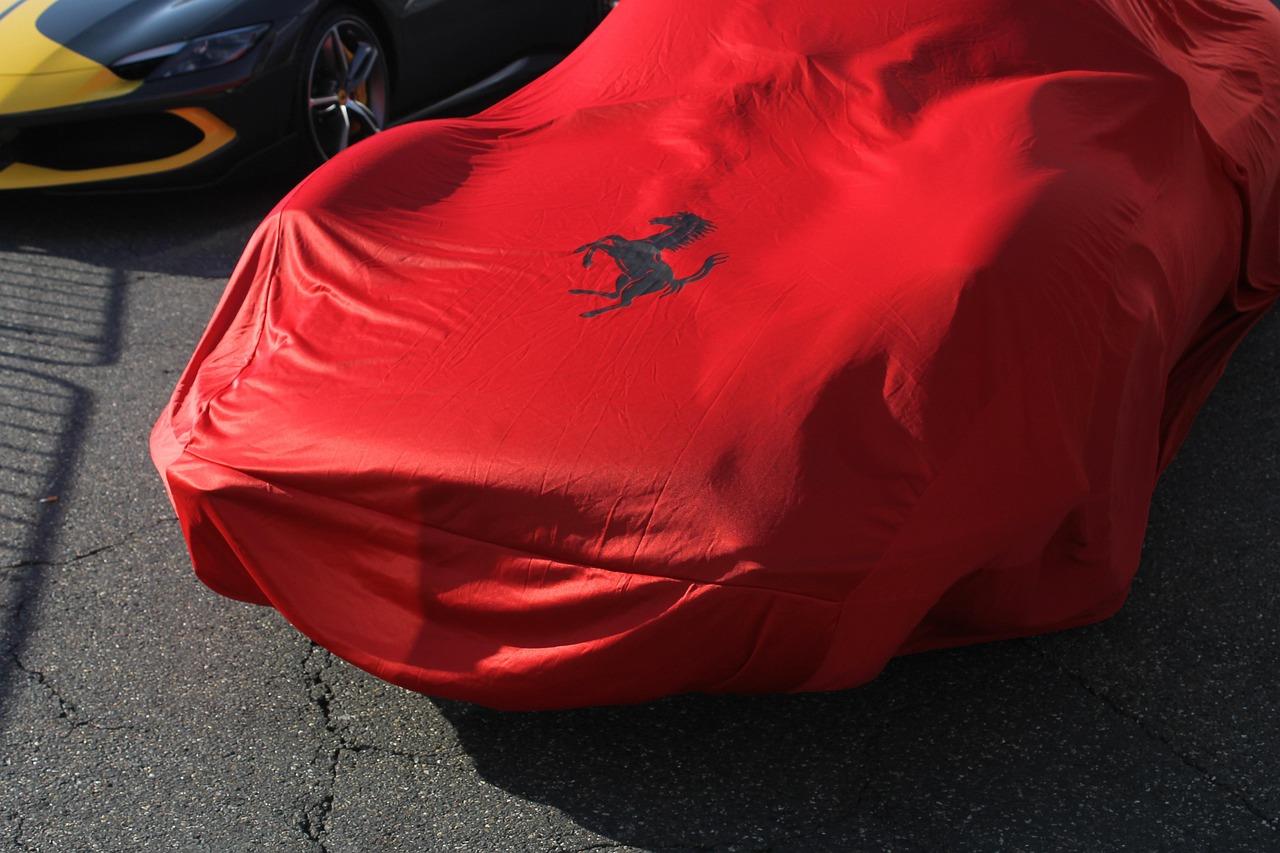
Your car is rarely stationary. Even when you’re not driving, the paint is exposed to dust, bird droppings, tree sap, and UV rays. In winter, moisture and frost are added to the mix. If you park outside, rain, wind, and splashing dirt play a major role. A good car cover, also known as a protective car cover, is therefore not a luxury but a practical way to preserve your car’s appearance and value for longer. The main difference lies in fit and material. A universal cover can shift and rub, especially if wind gets underneath it. A model-specific cover fits more snugly, reducing the risk of friction. Benefits of custom-made car coversA custom car cover is designed for a specific make and model, and often for a specific model year as well. This offers clear advantages:
Note the difference between waterproof and water-repellent. An outdoor cover can keep water out, but it must also be breathable. Breathable means that water vapor, such as condensation, can escape. This reduces the risk of moisture buildup under the cover during temperature fluctuations. Parking indoors or outdoors makes a differenceThe right choice starts with where you usually park your car. Indoor useIn a garage or storage area, protection against dust and minor scratches is often the most important consideration. An indoor car cover usually has a soft inner lining, a breathable fabric, and is lightweight and easy to fold. Outdoor UseWhen using the cover outdoors, you’ll want extra protection against UV rays, rain, and wind. Look for a weather-resistant outer layer, secure fastenings such as straps or an elastic hem, and a material that repels dirt but allows for ventilation. For example, if your car sits in the driveway for weeks during a wet fall, a poorly fitting cover can flap in the wind and trap moisture. A well-fitting, breathable outdoor cover with secure fastenings helps minimize that risk. Checklist for choosing the right car coverUse this checklist before placing your order:
If you want to make a targeted comparison and select directly by brand and model, specialized suppliers such as car cover retailers often offer a suitable range for indoor and outdoor use, with a focus on fit, delivery, and warranty. Practical tips for use1. Only put the cover on a clean car, as dirt can cause abrasion under the cover. 2. Start at the roof and work your way down. 3. Secure the cover with straps or the hem if it’s windy. 4. Let the car cool down after a drive before putting the cover on. ConclusionA custom-fit car cover is an easy way to protect your car from everyday wear and tear. By clearly distinguishing between indoor and outdoor use and paying attention to fit, breathability, and fastening, you can prevent issues like condensation and paint abrasion. This helps keep your car clean and tidy for longer, whether it’s parked in the garage or outside on the driveway. |